A Peak Of Psychology
Psychology? I bet many of you have ever heard about this term.
So, what do you guys think? Is psychology only related to mental illness? Is studying in psychology will turn someone into magician?
Based on my observation, people often tend to ask psychologist or counselor who major in psychology field something like "If you're major in psychology, you probably can read my mind". If you are so interested in reading someone mind, I gladly suggest you to take shaman field (if any).
Definition
According to American Psychological Association, Psychology is defined as the study of the mind and behavior. It is the study of the mind, how it works, and how it affects behavior. The one who studies psychology absolutely don't have the ability to tell what is in your mind at the moment unless he or she has supernatural power.
What I mean here is psychologists have the knowledge to study people behavior and then interpret the common characteristics of people based on their act. For example, if people are lying, you can sense their eyes do not fix in position that they tend to avoid looking at you when talking to each other. Other than that, a liar tend to hesitate to say something as they are brainstorming an idea to manipulate you. Unfortunately, if they are good liars, this method are probably not applicable for them.
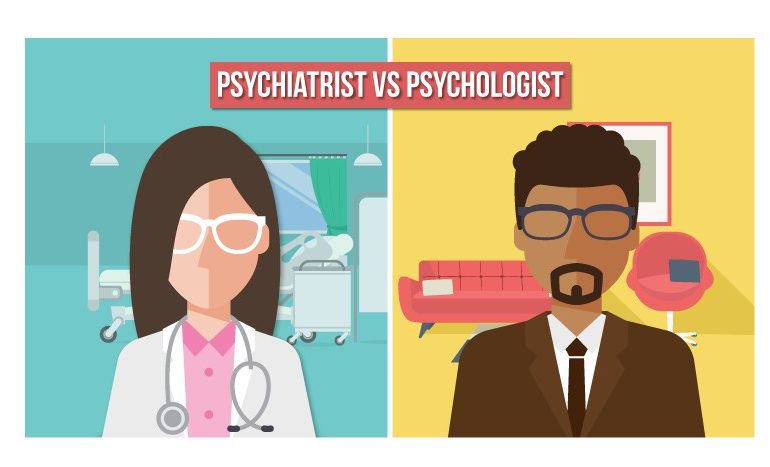
Oh before I forget, do you know what is the difference between psychologist and psychiatrists? People often get confuse about these two terms.
- Psychologists hold doctorate degrees but are not physicians, and they cannot prescribe in most states. Rather, they provide psychotherapy, which may involve cognitive and behavioral interventions.
- Psychiatrists are medical doctors who are able to prescribe medications, which they do in conjunction with providing psychotherapy, though medical and pharmacological interventions are often their focus.
So are you clear now? although these two are kinda related to each other, they are different in many things. If you want to study psychology, you must take degree and become psychologist. If you want to become a psychiatrists, you must take medicine's course.
Types Of Psychology
1. Forensic psychology
Forensic psychology involves applying psychology to criminal investigation and the law.A forensic psychologist practices psychology as a science within the criminal justice system and civil courts.It involves assessing the psychological factors that might influence a case or behavior and presenting the findings in court.
2. Evolutionary psychology
Evolutionary psychology looks at how human behavior, for example language, has been affected by psychological adjustments during evolution.An evolutionary psychologist believes that many human psychological traits are adaptive in that they have enabled us to survive over thousands of years.
3. Occupational psychology
Occupational or organizational psychologists are involved in assessing and making recommendations about the performance of people at work and in training.They help companies to find more effective ways to function, and to understand how people and groups behave at work.This information can help improve effectiveness, efficiency, job satisfaction, and employee retention.
4. Cognitive psychology
Cognitive psychology investigates internal mental processes, such as problem solving, memory, learning, and language. It looks at how people think, perceive, communicate, remember, and learn. It is closely related to neuroscience, philosophy, and linguistics.Cognitive psychologists look at how people acquire, process, and store information.Practical applications include how to improve memory, increase the accuracy of decision-making, or how to set up educational programs to boost learning.
5. Social psychology
Social psychology uses scientific methods to understand how social influences impact human behavior. It seeks to explain how feelings, behavior, and thoughts are influenced by the actual, imagined or implied presence of other people. A social psychologist looks at group behavior, social perception, non-verbal behavior, conformity, aggression, prejudice, and leadership. Social perception and social interaction are seen as key to understanding social behavior.
6. Clinical psychology
Clinical psychology integrates science, theory, and practice in order to understand, predict and relieve problems with adjustment, disability, and discomfort. It promotes adaption, adjustment, and personal development. Clinical psychology can help us to understand, prevent, and alleviate psychologically-caused distress or dysfunction, and promote an individual's well-being and personal development.
7. Developmental psychology
This is the scientific study of systematic psychological changes that a person experiences over the life span, often referred to as human development.It focuses not only on infants and young children but also teenagers, adults, and older people. Factors include motor skills, problem solving, moral understanding, acquiring language, emotions, personality, self-concept, and identity formation. It also looks at innate mental structures against learning through experience, or how a person's characteristics interact with environmental factors and how this impacts development.
8. Neuropsychology
Neuropsychology looks at the structure and function of the brain in relation to behaviors and psychological processes. A neuropsychology may be involved if a condition involves lesions in the brain, and assessments that involve recording electrical activity in the brain.A neuropsychological evaluation is used to determine whether a person is likely to experience behavioral problems following suspected or diagnosed brain injury, such as a stroke.
9. Health psychology
Health psychology is also called behavioral medicine or medical psychology.It observes how behavior, biology, and social context influence illness and health.A physician often looks first at the biological causes of a disease, but a health psychologist will focus on the whole person and what influences their health status. This may include their socioeconomic status, education, and background, and behaviors that may have an impact on the disease, such as compliance with instructions and medication.


Comments
Post a Comment